_1786440080.jpg)
Looking for authentic Desi Cow Dung Cakes made from indigenous cows and prepared using traditional methods?
For centuries, cow dung cakes have been an integral part of Indian culture, serving important roles in religious rituals, traditional cooking, sustainable farming, and eco-friendly living. However, finding clean, naturally prepared, and farm-sourced cow dung cakes can be challenging.
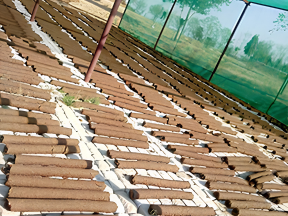
At Sunrise A2 Milk, we offer pure Desi Cow Dung Cakes made from dung collected from our healthy Gir and Tharparkar cows. Handcrafted and naturally sun-dried, our cow dung cakes maintain traditional authenticity while supporting sustainable practices.
Prepared by hand and naturally sun-dried to preserve traditional authenticity.
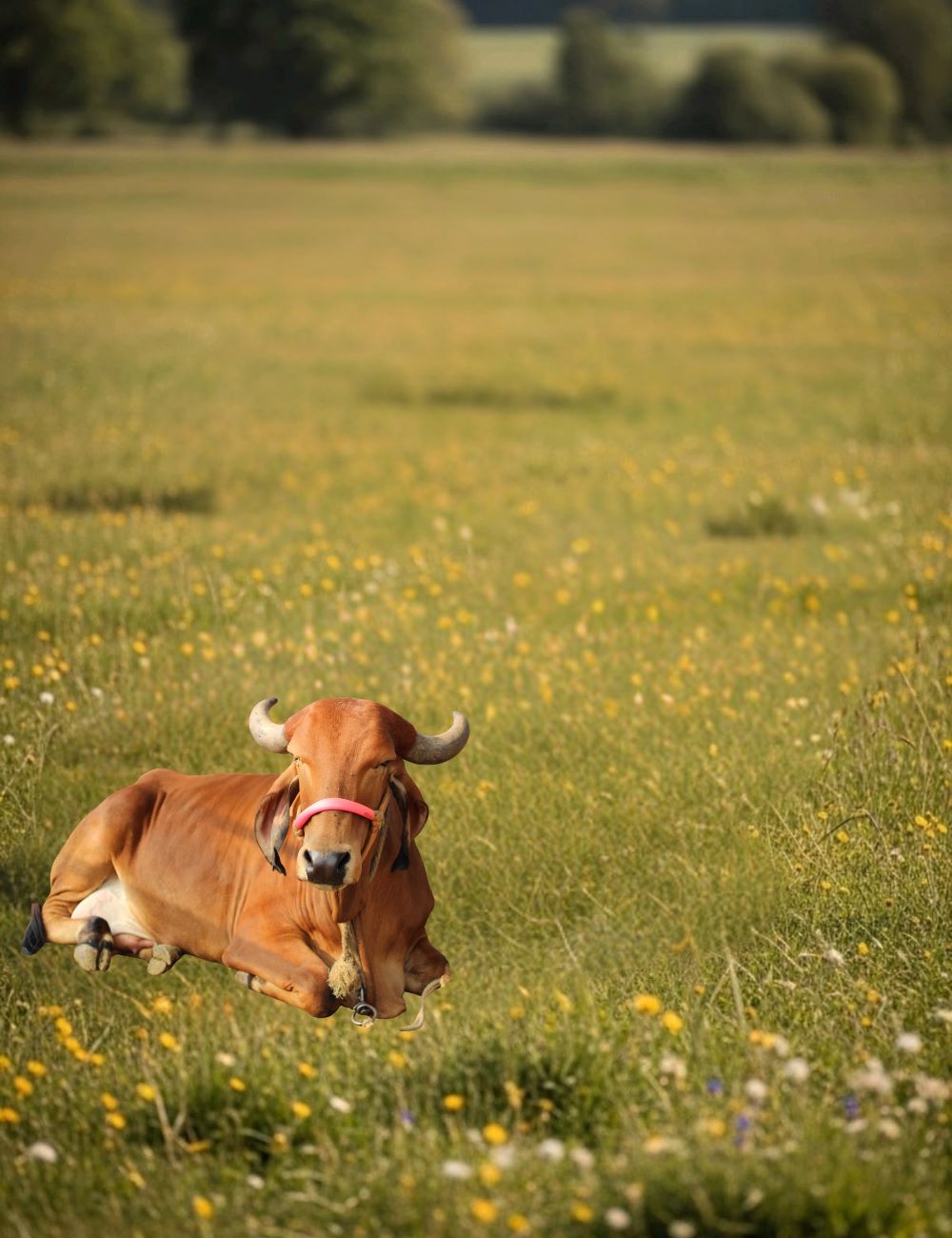
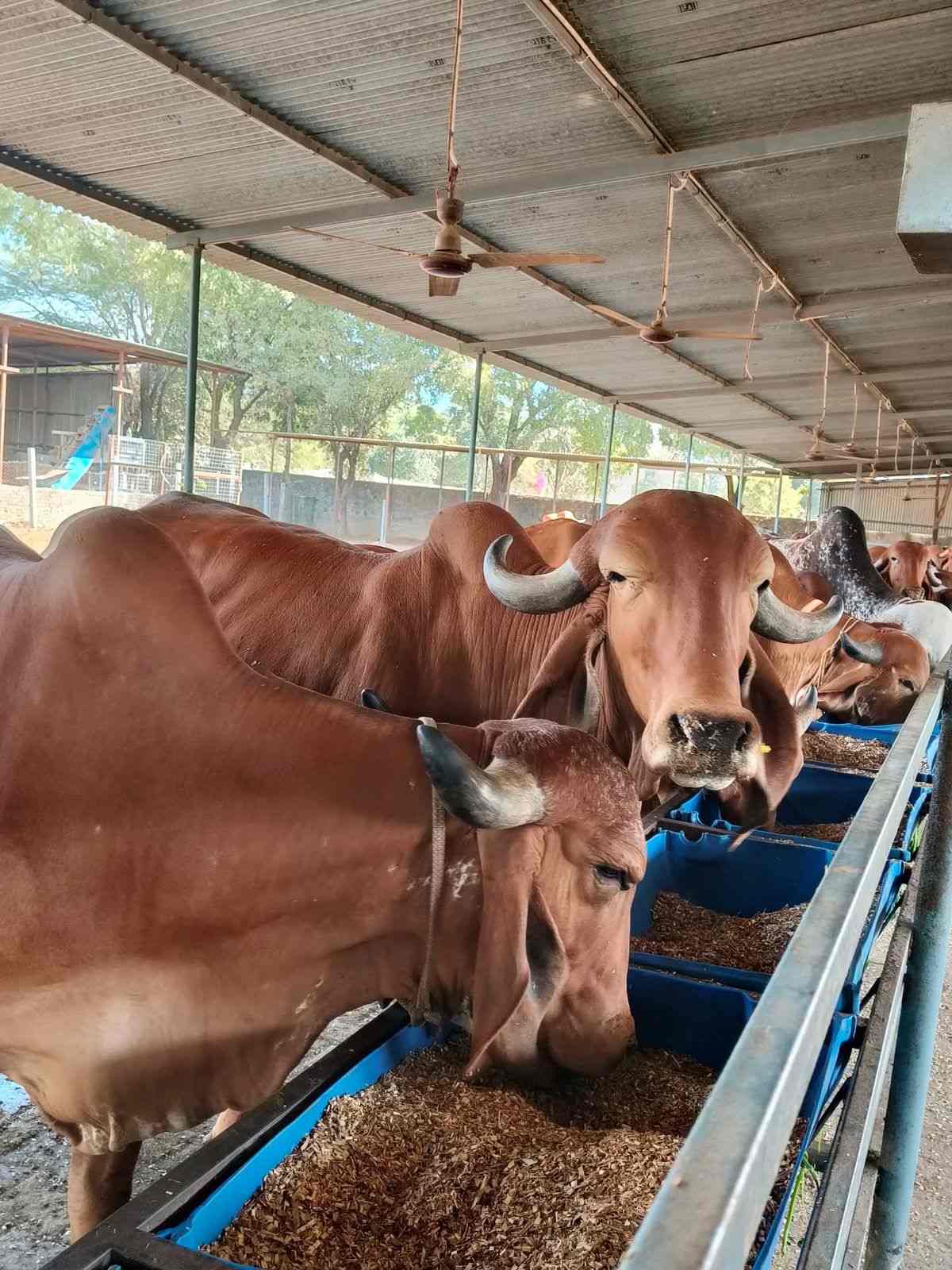
Made from dung collected from our healthy Gir and Tharparkar cows raised on our farm.
Cow Dung Cakes, also known as Upla, Kande, Cow Dung Logs, or Gobar Cakes, are prepared by molding fresh cow dung into flat cakes and drying them naturally under sunlight.
For generations, these natural products have been used throughout India for Havan and Yagya ceremonies, religious rituals, traditional cooking, organic farming, natural fuel applications, and rural household practices.
Cow dung remains one of the oldest renewable resources used in traditional Indian lifestyles.
Our cow dung cakes originate from cows raised on our own farm near Jaipur, ensuring complete quality control and authenticity.
We use traditional drying methods that preserve the natural characteristics of the product.
Every product is sourced directly from our farm without third-party procurement.
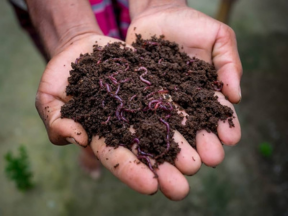
Cow dung has long been valued as an organic resource that contributes nutrients to soil and supports sustainable farming practices.
Farmers commonly use cow dung as a base ingredient in organic compost, vermicompost, natural fertilizers, and soil conditioning mixtures.
Cow dung-based products help support natural farming systems that aim to reduce reliance on synthetic inputs.
Cow dung cakes are widely used as a sacred fuel source during Havan, Yagya, Agnihotra, and Homa rituals. Many families and temples prefer them for traditional Vedic fire ceremonies.
Commonly used during Holika Dahan, Govardhan Puja, Pongal, Lohri, Sankranti, and traditional village rituals, preserving cultural traditions across generations.
In many rural communities, dried cow dung cakes continue to serve as a renewable fuel source for cooking and heating.
Dung is collected from our healthy Gir and Tharparkar cows raised under hygienic farm conditions.
Each cake is shaped using traditional techniques to maintain consistency and usability.
The cakes are dried naturally under sunlight without chemical processing.
Products are checked before packaging and distribution.
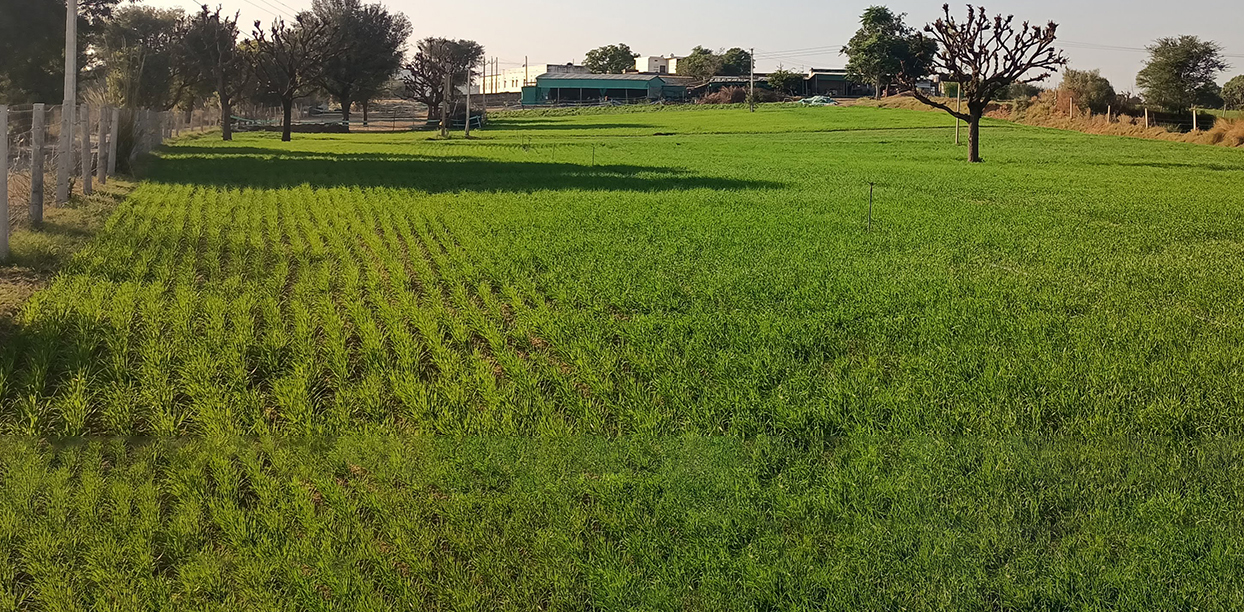
Cow dung is a renewable natural resource that is continuously produced through natural farming activities.
Traditional cow dung products help promote environmentally conscious practices and support sustainable rural living.
Our cow dung cakes undergo minimal processing from farm collection to packaging, preserving their natural characteristics.
Unlike synthetic fuel alternatives, cow dung cakes naturally decompose and integrate into the environment.
Traditional cow dung products encourage eco-friendly farming and environmentally responsible practices.
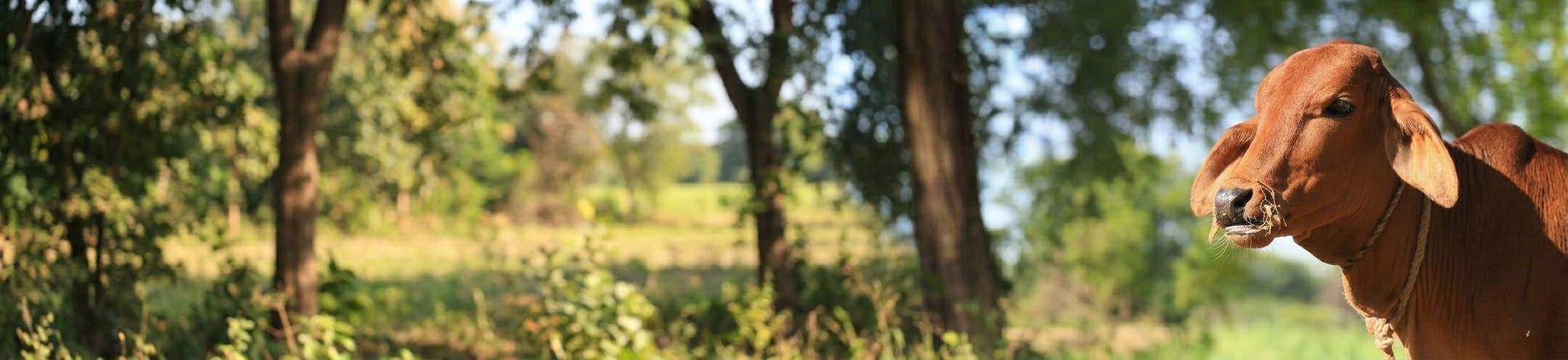
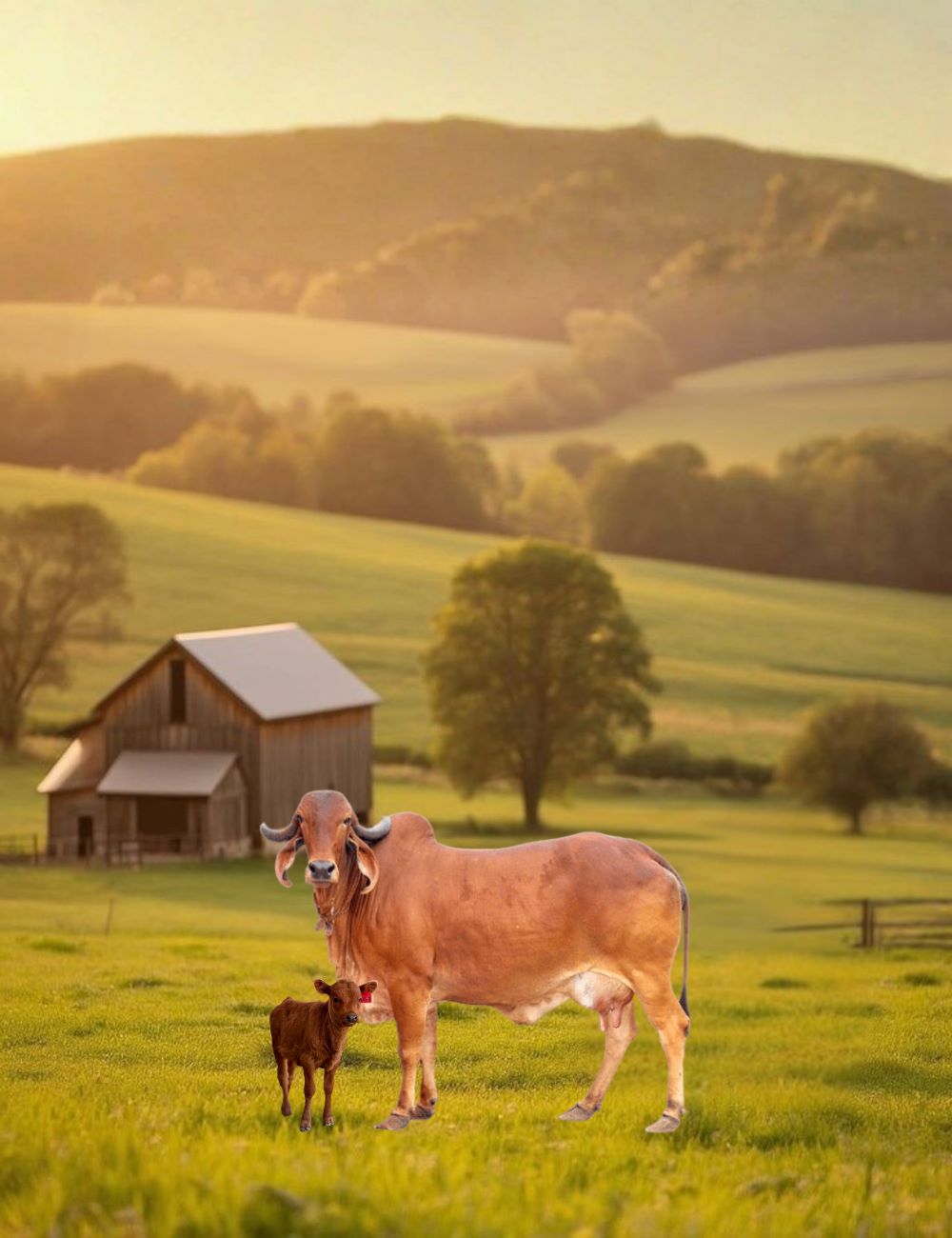
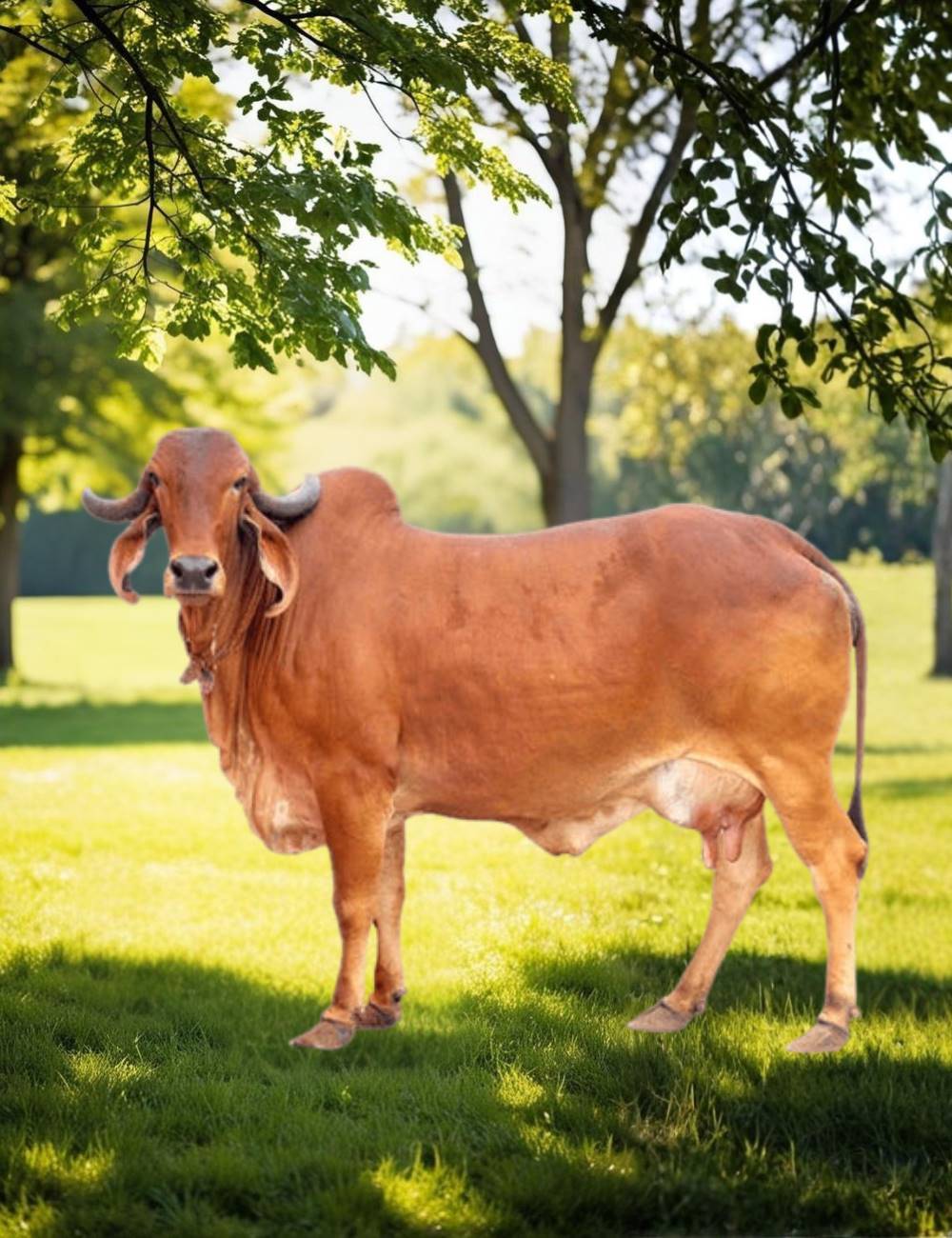
Sunrise A2 Milk Farm is home to more than 100 indigenous Gir and Tharparkar cows raised in natural surroundings with quality fodder and ethical care.
Sunrise Cow Dung Cakes are handcrafted from indigenous cows, naturally sun-dried, and supplied directly from our Jaipur-based dairy farm to ensure authenticity, purity, and traditional quality.
Desi Cow Dung Cakes are naturally dried cakes made from cow dung and traditionally used in religious ceremonies, fuel applications, and organic farming.
Yes. Cow dung cakes have traditionally been used as fuel during havan, yajna, and other Vedic rituals.
Yes. Cow dung products are commonly used in composting, natural fertilizers, and sustainable agricultural practices.
Our cow dung cakes are hand-molded and naturally sun-dried using traditional methods before packaging.
Yes. Sunrise Cow Dung Cakes are prepared without artificial additives, chemical binders, or synthetic ingredients.